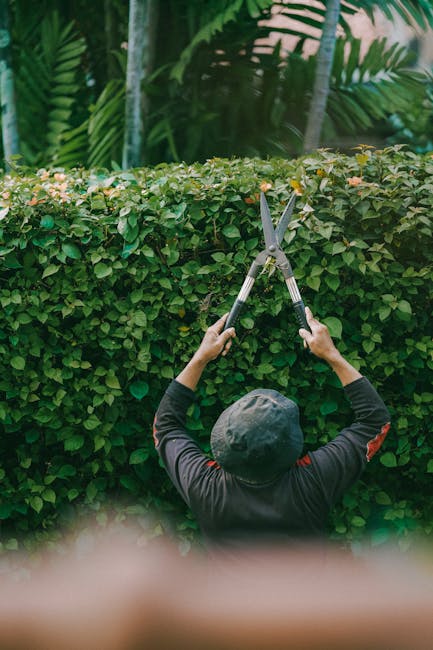
SW18 Gardeners Who Work Near Clapham Junction: A Practical Local Guide
If you are looking for SW18 gardeners who work near Clapham Junction, you are probably trying to solve a very ordinary London problem: you need reliable garden help that fits busy schedules, awkward access, and the kind of outdoor space that changes from bright, tidy courtyard to slightly wild patch in no time at all. Truth be told, gardens around Wandsworth, Battersea Edge, and the streets feeding towards the station often need a different approach from bigger suburban plots. Space is tighter, neighbours are closer, and timing matters more than people expect.
This guide explains what local gardening support usually involves, how the service works, what to look for before booking, and how to avoid the common mistakes that cost time and money. It also gives you a practical way to compare options, whether you need regular maintenance, a one-off tidy-up, or help getting a neglected garden back under control.
For background on the wider service offering, you may also find the services overview and the company's about us page useful before you decide who to contact.
Table of Contents
- Why SW18 gardeners who work near Clapham Junction Matters
- How SW18 gardeners who work near Clapham Junction Works
- Key Benefits and Practical Advantages
- Who This Is For and When It Makes Sense
- Step-by-Step Guidance
- Expert Tips for Better Results
- Common Mistakes to Avoid
- Tools, Resources and Recommendations
- Law, Compliance, Standards, or Best Practice
- Options, Methods, or Comparison Table
- Case Study or Real-World Example
- Practical Checklist
- Conclusion
- Frequently Asked Questions
Why SW18 gardeners who work near Clapham Junction Matters
The simple answer is convenience, but that is only half the story. Gardens near Clapham Junction tend to sit in a part of London where access, pace, and presentation all matter. People often want the front garden to look sharp because passers-by notice it. Back gardens may need to double as somewhere to eat, relax, dry clothes, or store bikes. And because properties are often close together, untidy borders, overgrown hedges, or messy cuttings can quickly become a neighbourly issue. Nobody wants a friendly hello to turn into a polite complaint over a bramble poking through the fence.
Local gardeners who understand SW18 usually work with these realities every day. They know that a small patch can still take proper planning. They understand how to fit visits around residents, bin days, shared access paths, and the occasional awkward side gate that only opens if you jiggle it just so. That local familiarity is worth a lot.
There is also a quality angle. A gardener who regularly works in the area is more likely to understand what plants cope well with urban conditions, partial shade, reflected heat from brick and paving, and the slightly dry, windy pockets you get around busier streets. That does not mean every garden is the same. Of course not. But it does mean the work is usually more grounded in real conditions rather than generic advice.
Practical takeaway: choosing a gardener who is already used to SW18 and the Clapham Junction area often means fewer surprises, smoother scheduling, and better day-to-day judgement about what your garden actually needs.
How SW18 gardeners who work near Clapham Junction Works
Most local gardening services follow a fairly straightforward process, though the good ones make it feel easy. First comes the initial enquiry. You describe the space, what is bothering you, and what kind of outcome you want. That might be a quick tidy before guests arrive, regular maintenance through spring and summer, or more intensive restoration after a long period of neglect.
Next comes assessment. In many cases this is done from photos, a quick phone call, or an in-person visit. A decent gardener will look beyond the obvious. They will notice whether the soil is dry and compacted, whether access for waste removal is awkward, whether shrubs have outgrown their space, and whether a supposedly simple lawn cut is likely to reveal hidden problems. That kind of judgement matters. A lot.
Then comes planning. This is where the gardener decides the order of work, the tools required, and whether the job can be completed in one visit or needs staged visits. For example, a front garden near Clapham Junction with mature hedging, a tired border, and heavy leaf fall may need cutback first, then clearance, then a proper tidy finish. Rushing all of that in the wrong order often gives a messy result.
Finally, there is completion and ongoing care. Some people only need a one-off intervention. Others benefit from scheduled visits every few weeks or monthly throughout the growing season. If you are unsure, ask for a plan that can flex. Gardens are living spaces, after all, not spreadsheets. Well, not usually.
What a typical local visit may include
- General garden tidying and clearing
- Weeding, edging, and border refreshes
- Lawn mowing, trimming, and basic lawn care
- Pruning of suitable shrubs and hedges
- Leaf clearance and seasonal reset work
- Green waste collection and responsible disposal
- Advice on simple planting improvements
If you want to compare wider maintenance options before booking, take a look at the available gardening services and the company's information on recycling and sustainability.
Key Benefits and Practical Advantages
There are a few obvious benefits, and then there are the ones people only appreciate after the first visit.
1. Better use of limited space. Small London gardens can feel cramped if they are overfilled with the wrong plants or left to become tangled. A good gardener can open up paths, reduce visual clutter, and make the whole area feel more usable.
2. Less stress. Let's face it, most people do not want to spend a Saturday morning wrestling with a hedge trimmer and a black bin bag pile that never seems to shrink. Hiring help gives you the time back.
3. More reliable upkeep. Regular maintenance prevents small issues becoming big ones. A few weeds in the border become a job. A job becomes a weekend. Then another weekend. You know how it goes.
4. Better presentation. For rental homes, resale prep, or simply taking pride in the property, a tidy garden lifts the whole look of the place. In a street where people pass closely and quickly, that first impression counts.
5. Smarter planting decisions. A local gardener can suggest plants that suit shade, drought, wind exposure, or the realities of low-maintenance urban living. That is often the difference between a garden that thrives and one that constantly looks tired.
6. Safer, cleaner work. Overgrown gardens can hide slippery surfaces, broken pots, unstable branches, or trip hazards. A careful gardener sees these problems early and works around them properly.
| Benefit | Why it matters near Clapham Junction | Typical outcome |
|---|---|---|
| Access-friendly scheduling | Busy roads and tighter access points can make timing important | Less disruption for you and neighbours |
| Local plant knowledge | Urban shade and dry spots are common | Healthier, more suitable planting choices |
| Regular maintenance | Small gardens can look untidy very quickly | Cleaner, more consistent presentation |
| Waste handling | Green waste needs removing without hassle | A tidier finish and less clutter |
Who This Is For and When It Makes Sense
This kind of local gardening support makes sense for a surprisingly broad group. If your garden is near Clapham Junction and you fall into any of the following categories, the service is probably worth considering.
- Busy professionals who need the garden managed rather than constantly "caught up"
- Landlords who need outdoor space kept presentable between tenancies
- Homeowners preparing for summer gatherings, sale photos, or family visits
- Older residents who want reliable help with physically demanding jobs
- People with small courtyards, narrow side returns, or awkward access
- Anyone who has started a garden project and realised the scale was a bit more ambitious than expected
It also makes sense if your garden is not quite neglected, but not quite under control either. That halfway state can be the most frustrating. The lawn is passable, the beds are fine from a distance, and yet something feels off every time you look out the kitchen window. That is usually the point where a professional tidy-up starts to pay for itself.
Another good sign is repeated "temporary" fixes. If you keep telling yourself you will prune it next weekend, then the next weekend, then the one after that, the garden may already be asking for help.
Step-by-Step Guidance
If you are hiring local gardeners in SW18 for work near Clapham Junction, use a simple process. It keeps things clear and avoids the usual crossed wires.
- List the problems in order. Start with what is actually bothering you. Overgrown hedge? Patchy lawn? Too many weeds? Don't try to write a novel.
- Decide your main outcome. Do you want a one-off rescue, regular maintenance, or planting improvements?
- Take a few clear photos. Include wide shots and close-ups. Good photos save time and help with accurate expectations.
- Ask about access. Mention side gates, parking limitations, water supply, and any shared areas. These details are annoyingly important.
- Request a scope of work. A clear outline should say what will be done, what will not, and whether waste removal is included.
- Confirm timing. If you live near the station or a busy road, ask how the work will be scheduled to reduce disruption.
- Check follow-up options. If the garden needs a second stage, ask how ongoing visits would work.
That is really the core of it. Simple, but not simplistic. Good decisions in garden work are often the result of clear expectations rather than dramatic effort.
Expert Tips for Better Results
Here are the kinds of things experienced gardeners tend to think about, even when clients do not mention them.
Choose the right season for the job. Heavy pruning, planting, and lawn recovery all have better windows than others. A garden can survive a lot, but it usually responds better when tasks are timed sensibly.
Think in layers, not just tasks. A tidy garden is not only about cutting things back. It is also about soil condition, drainage, light, and how the space is used. A thin lawn in shade will need different treatment from a sunny patch by a patio.
Do not over-prune too quickly. It is tempting to "just get it down." Sometimes that is right, but often a staged approach protects the plant and gives a better shape. A bit of restraint goes a long way.
Keep an eye on waste volume. In urban gardens, clearance can create a surprising amount of green waste. If you are planning a major tidy-up, ask how much removal is expected. Otherwise the lovely before-and-after moment turns into a pile-management exercise. Nobody wants that.
Use the garden's natural structure. If your space has a wall, trellis, boundary fence, or existing mature shrub, work with it rather than fighting it. That is often how you get the most useful improvement for the least disruption.
Be realistic about upkeep. A glamorous planting design can be beautiful, but if you want low maintenance, say so early. There is no shame in preferring a garden that looks good with reasonable effort. None at all.
Common Mistakes to Avoid
People in SW18 make the same mistakes a lot, mostly because garden work looks simpler than it is from the kitchen window.
- Booking on price alone. Cheap can be fine, but only if the scope is clear and the work standard is still there.
- Not explaining access issues. If a gardener arrives expecting easy parking or a wide side entrance, the job may start badly.
- Leaving waste removal unconfirmed. A tidy finish depends on what is being taken away.
- Expecting instant transformation from every visit. Some gardens need stages, especially if they have been neglected for a while.
- Ignoring seasonal timing. Cutting, planting, and lawn recovery all have better moments.
- Assuming every plant should be cut back hard. Some should, some absolutely should not.
A small one, but an important one: people sometimes ask for "just a quick tidy" when the garden actually needs a reset. That is not a criticism. It just means the job should be described properly from the start, otherwise everyone ends up slightly disappointed.
Tools, Resources and Recommendations
You do not need to become a gardening expert to make good decisions, but a little familiarity helps. A decent local gardener should have the right tools for pruning, mowing, edging, clearing, and safe waste handling. For the customer, the most useful resources are the ones that keep the project organised.
- Photos of the garden before work starts
- A simple list of priorities so the main problems are clear
- Access notes covering gates, parking, bins, and keys if needed
- Any plant preferences or no-go areas if you want certain shrubs or flowers kept
- A follow-up reminder for seasonal jobs such as hedge cuts or leaf clearance
If you are planning ahead, it is also useful to review the company's pricing and quotes information so you understand how estimates are usually handled. If payment or administration matters to you, the payment and security page is also worth reading. A little admin clarity saves a lot of back-and-forth later.
For customers who care about greener disposal, look at recycling and sustainability. Responsible waste handling should be part of the service, not an afterthought.
Law, Compliance, Standards, or Best Practice
For most household gardening work, the main concern is not a complex legal process; it is sensible practice. Still, there are a few areas where a trustworthy service should be careful.
Health and safety. Tools, ladders, trimmers, slippery paths, and hidden trip hazards all deserve proper care. A professional service should have a clear approach to safe working, especially in tighter urban gardens. You can review the company's health and safety policy and insurance and safety information for reassurance.
Waste handling. Green waste should be removed or disposed of responsibly. If a gardener is taking away cuttings, ask how this is managed and whether recycling or composting is used where appropriate.
Property care. Good practice means respecting boundaries, accessing only agreed areas, and leaving the site tidy. That sounds obvious, but clear standards matter in shared or tightly packed streets.
Fair service terms. Before work begins, it is wise to understand booking terms, payment expectations, and how complaints are handled. The relevant pages are the terms and conditions, complaints procedure, and privacy policy.
Accessibility. If access needs or communication preferences matter, the accessibility statement may be useful. Small details can make the whole experience smoother, especially when people are juggling work, childcare, or mobility concerns.
It is also fair to check the provider's wider ethical commitments. The modern slavery statement is part of that broader trust picture.
Options, Methods, or Comparison Table
Not every garden needs the same type of help. Some people need quick, light-touch maintenance. Others need a more structured restoration. Here is a practical comparison.
| Approach | Best for | Pros | Watch out for |
|---|---|---|---|
| One-off tidy-up | Overgrown but manageable gardens, pre-event prep, seasonal resets | Fast visible improvement, simple booking | May not solve recurring issues if maintenance stops |
| Regular maintenance | Busy households, rental properties, small gardens that grow quickly | Consistent presentation, fewer big jobs later | Needs a realistic schedule and budget |
| Restoration visit | Neglected gardens, heavy weeds, out-of-control hedges | Creates a clean baseline for future care | May require more than one visit |
| Planting and soft landscaping | People who want the space to look better long term | Improves design, structure, and seasonal interest | Needs the right plant choices and aftercare |
In practice, many homeowners near Clapham Junction end up choosing a combination: an initial reset, then a lighter maintenance schedule. That tends to work well. It is a bit like getting the kitchen sorted before you think about fancy storage. Foundation first, polish second.
Case Study or Real-World Example
Here is a realistic example from the kind of situation local gardeners see often.
A terrace property close to Clapham Junction had a back garden that was technically usable, but only in the loosest sense. The lawn was patchy, the hedge had pushed out into the path, the beds were full of self-seeded growth, and the bin area had become awkward to reach. Nothing was disastrous, yet the whole space felt tired. The owners had been avoiding it for months because they did not know where to begin.
The solution was not dramatic. First, the garden was cleared in stages so access could be restored. Then the hedge was cut back carefully rather than hacked down. The border weeds were removed, the lawn was tidied, and the cuttings were taken away so the space immediately felt lighter. After that, a simple planting suggestion was made for the shadier end of the garden, because that corner had been struggling for ages. A few weeks later, the garden was easier to use and easier to keep that way.
What made the difference? Not magic. Just a sensible order of work, realistic expectations, and someone who understood the constraints of a small SW18 garden. That is often the whole story.
Practical Checklist
Use this checklist before you book SW18 gardeners who work near Clapham Junction.
- Have I listed the main jobs in priority order?
- Do I know whether I want a one-off visit or regular maintenance?
- Have I taken photos of the space from a few angles?
- Have I explained access, parking, and gate details?
- Do I know whether waste removal is included?
- Have I checked the provider's service scope and pricing approach?
- Do I understand the likely timing and whether the work needs more than one visit?
- Have I thought about longer-term upkeep, not just the first tidy?
- Do I need to review safety, insurance, or service terms first?
- Have I got a clear way to contact the team if I need to follow up?
That last point is easy to overlook. But honestly, it saves hassle. Good communication is half the job.
Conclusion
Finding SW18 gardeners who work near Clapham Junction is really about getting dependable local help that fits the realities of the area: compact gardens, tight access, busy schedules, and the need for a result that looks good without creating more work later. The best choice is rarely the flashiest one. It is the one that understands your space, explains the job properly, and leaves you with a garden that feels calmer, cleaner, and easier to enjoy.
Whether you need a one-off tidy-up or ongoing support, start with a clear brief, ask sensible questions, and choose a team that respects both the garden and your time. That is usually where the good outcomes begin.
Get a free quote today and see how much you can save.
If you are ready to take the next step, the safest route is to review the company's services overview, then make contact through the contact us page. Simple, straightforward, no fuss.
Frequently Asked Questions
What do SW18 gardeners who work near Clapham Junction usually help with?
They typically help with garden tidying, hedge trimming, lawn care, weeding, seasonal clearance, pruning, and general maintenance. Some also help with planting advice and longer-term garden improvement. The exact scope depends on the provider and the condition of the garden.
Is it better to book a one-off garden tidy or regular maintenance?
If the garden is overgrown or needs a reset, a one-off tidy-up is often the best starting point. If your space grows quickly or you want it consistently presentable, regular maintenance is usually better value in the long run. Many people start with one visit and then move to monthly care.
How do I know if a gardener near Clapham Junction is right for my property?
Look for clear communication, a sensible approach to access and waste removal, and a service description that matches your needs. If they understand small urban gardens, shared access, and local timing issues, that is usually a strong sign.
Should I prepare my garden before the gardener arrives?
A little preparation helps. Move fragile items, clear access paths if you can, and note any areas you want left alone. You do not need to do the hard work yourself, though. The point is to make the visit efficient, not to pre-clean the whole place.
Do gardeners remove green waste?
Often yes, but it should always be confirmed in advance. Waste removal can be included in the price, added as an extra, or handled differently depending on the job. Ask early so there are no surprises at the end.
What should I ask about pricing?
Ask what is included, whether waste disposal is covered, whether there is a minimum call-out, and how additional work would be priced if the garden turns out to need more time. The company's pricing and quotes page may help you understand the process.
Can a local gardener help with small courtyards and tight spaces?
Yes, and those spaces are very common around SW18. In fact, small courtyards often benefit the most from professional care because the right pruning, planting, and clearing can make them feel much bigger and more usable.
How often should a garden near Clapham Junction be maintained?
That depends on the size of the garden, the planting style, and how much time you want to spend on it yourself. Fast-growing hedges and lawns may need attention every few weeks in the growing season, while lower-maintenance spaces may only need occasional visits.
What if my garden has been neglected for a long time?
That is not unusual. A neglected garden often needs a staged approach: clearance first, then cutback, then tidying, and finally longer-term improvements. A good gardener will not rush the job just to make it look finished on the surface.
Are there safety or insurance questions I should ask?
Yes. It is sensible to ask about insurance, safe working practices, and how equipment is handled, especially if the job involves ladders, sharp tools, or awkward access. You can also review the provider's insurance and safety information and health and safety policy.
Can I request environmentally responsible garden waste handling?
Yes. If sustainability matters to you, ask how cuttings, branches, and waste are managed. Many customers prefer reuse, recycling, or composting where appropriate, and it is reasonable to make that part of the brief.
How do I contact the team or ask for a quote?
The simplest route is to use the contact us page and describe the garden, the access, and the work you want done. If you want to understand the wider service first, the about us page is a helpful place to start.
And if you are still weighing things up, that is fine too. A good garden decision rarely needs to be rushed. Sometimes the best move is just getting the first honest quote and seeing the space with fresh eyes.